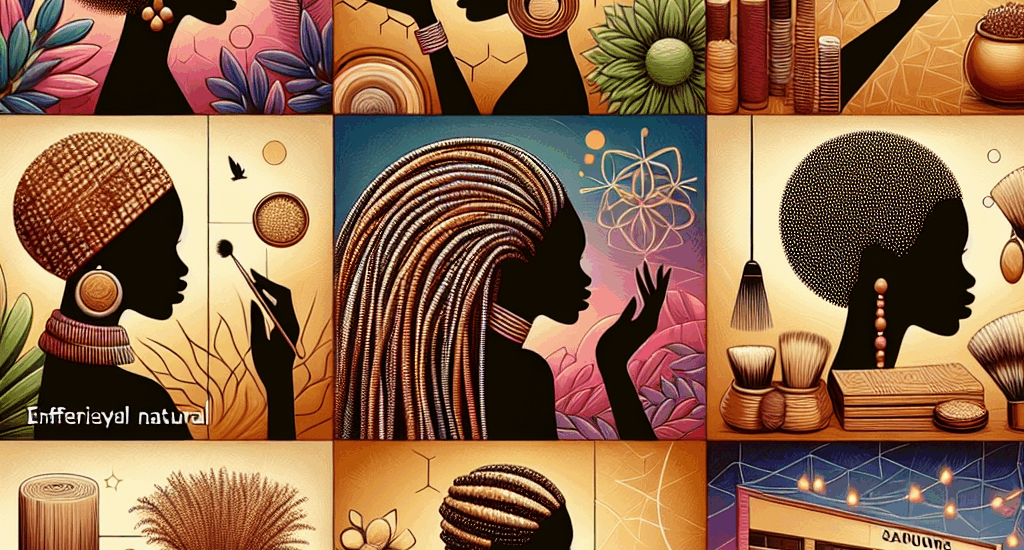
The Impact of African Wigs on the Beauty Industry
The beauty industry has always been a platform for cultural expression and diversity. Among the many elements that have influenced this industry, African wigs have made a significant impact, reshaping perceptions of beauty and style across the globe.
African wigs, which are often made from natural human hair or synthetic materials, are designed to mimic the texture and styles of African hair. These wigs offer an array of styling options from afros to braids, dreadlocks to curls, allowing individuals to change their look without altering their natural hair.
One of the key impacts of African wigs on the beauty industry is the increased representation and inclusivity they provide. For many years, mainstream beauty standards often excluded or marginalized those with textured or kinky hair. However, with the introduction and popularity of African wigs, these unique hair textures and styles have become more visible and celebrated in mainstream media and fashion.
Furthermore, African wigs have influenced product development within the beauty industry. Recognizing the demand for products that cater to these specific hair types and styles, many companies have expanded their product lines to include items such as wig-specific shampoos, conditioners, styling tools and accessories.
In addition to influencing product development and inclusivity in beauty standards, African wigs have also contributed significantly to economic growth within the industry. The global market for wigs and hair extensions is projected to reach USD 10 billion by 2023 with a significant portion attributed to the demand for African-style wigs.
Moreover, these wigs have created entrepreneurial opportunities within communities across Africa. Local artisans skilled in creating handmade African-style wigs are able to sell their products globally through e-commerce platforms. This not only provides economic benefits but also allows for cultural exchange through fashion.
African wigs also play a significant role in empowering individuals who suffer from conditions like alopecia or those undergoing treatments like chemotherapy that result in hair loss. These high-quality wigs provide a means for these individuals to regain their confidence and feel beautiful, further underlining the importance of diversity and representation in the beauty industry.
In conclusion, the impact of African wigs on the beauty industry is multifaceted. They have influenced global beauty standards, driven product development, contributed to economic growth, created entrepreneurial opportunities and empowered individuals. As the beauty industry continues to evolve, it is clear that African wigs will remain a significant influence, continuing to shape and diversify our understanding of beauty.
