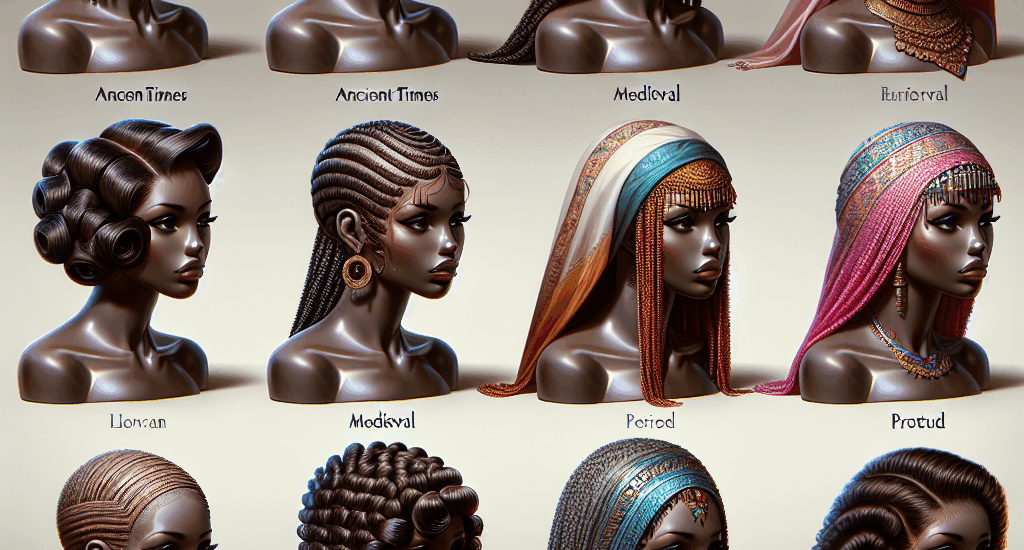
African Wig Styles: From Ancient Times to Modern Day
The rich tapestry of African hairstyles is as diverse and vibrant as the continent itself. The history of African wig styles, in particular, traces back to ancient times and continues to evolve in the modern day. These wig styles, deeply rooted in cultural traditions and societal norms, have played an essential role in defining personal identity and social status throughout Africa’s history.
During ancient times, wigs were a significant part of Egyptian society. Egyptians wore wigs to protect their shaved heads from the scorching sun. These wigs were not merely functional but also a sign of status. The more elaborate and complex the wig was, the higher the wearer’s social rank. Wigs were made from human hair, sheep’s wool or vegetable fibers and adorned with gold ornaments, beads, and colored threads.
In West Africa, particularly among the Yoruba people of Nigeria and Benin Republic, the Gelede masks worn during traditional ceremonies often featured carved wooden ‘wigs’. These ‘wigs’ were styled into intricate patterns symbolizing different aspects of life – fertility, prosperity, or spiritual concepts.
Fast forward to the pre-colonial era; wigs became a symbol of power and leadership among many African tribes. In Southern Africa’s Zulu tribe, for instance, leaders wore elaborate headpieces known as “isicoco”, which could be considered an early form of wig. Made from grass fibers woven into their natural hair and formed into specific shapes signified their royal status.
The colonial era brought significant changes to African hairstyles as Western influences seeped in. However, despite these influences, Africans adapted these new styles into their cultural narrative rather than abandoning their traditions entirely.
In post-colonial times through to today’s modern era, African wig styles have evolved even further while still maintaining strong roots in tradition. Today’s wigs are often made with synthetic or human hair that can be styled into various forms such as braids, twists, and locks. Modern African wigs also come in a vast array of colors and lengths, reflecting individual personality and style.
The Afro wig, which became popular during the 1960s Black is Beautiful movement, is a powerful symbol of African identity and heritage. This style has seen a resurgence in recent times as a nod to natural hair movement advocating for the acceptance of natural hair textures.
Braided wigs are another popular choice in modern-day Africa. Styles like box braids, cornrows, and Senegalese twists can be seen on wigs providing an easy way to change hairstyles without spending hours at the salon or causing potential damage to one’s natural hair.
In recent years, there has been an increasing trend towards embracing natural hair textures. This has led to the popularity of curly and kinky textured wigs that mimic natural African hair textures. These wigs provide an opportunity for African women to celebrate their unique hair textures while offering versatility in styling options.
In conclusion, the history of African wig styles is a testament to the continent’s rich cultural heritage. From ancient Egypt to modern-day Africa, each era has brought its unique contributions to this vibrant tradition. Today’s African wig styles continue this legacy by blending traditional elements with modern trends – showcasing not only Africa’s historical journey but also its dynamic future.
