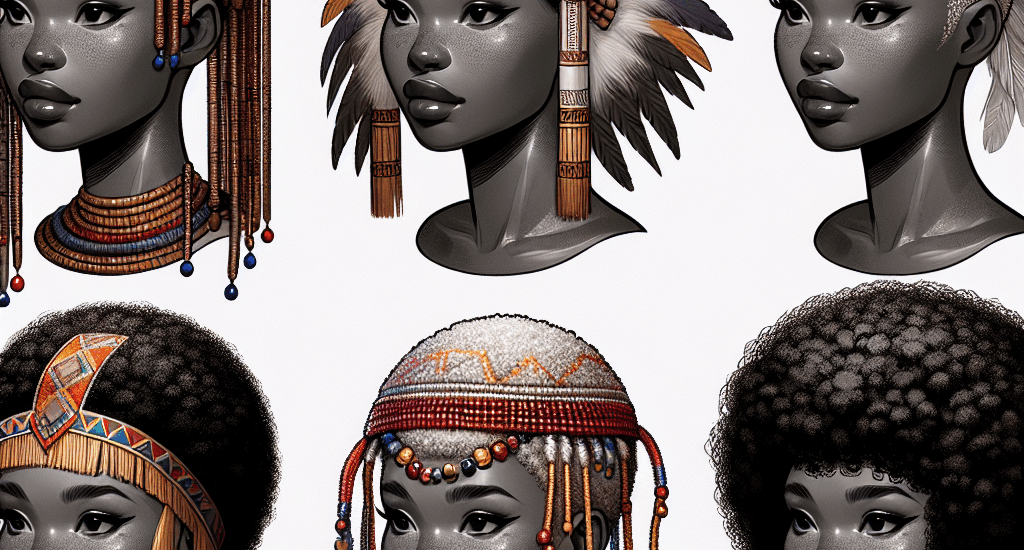
Understanding the Different Types and Materials Used in African Wigs
African wigs, also known as Afro wigs, are a popular choice in the hair industry. They are renowned for their versatility, unique style, and the ability to enhance one’s look while protecting natural hair. African wigs come in various types and materials, each with its unique features and benefits.
Firstly, we will explore the different types of African wigs that are popularly used.
1. Full Lace Wigs: These wigs are made by attaching individual strands of hair to a lace base. This method gives them a natural appearance as if the hair is growing from your scalp. Full lace wigs are versatile and can be styled in multiple ways.
2. Lace Front Wigs: These wigs have lace only at the front part of the wig cap to give a natural hairline look while the rest of the cap is made from other materials that are less delicate than lace.
3. 360 Lace Wigs: This type has lace all around the perimeter of the cap allowing for various styling options including high ponytails and updos.
4. U-Part Wigs: These allow you to leave out a small portion of your natural hair through a U-shaped opening at the top of the wig which can be blended with wig hair for a more natural look.
Next, we delve into some common materials used in making African wigs:
1. Human Hair: This is considered top-tier when it comes to wig-making material due to its natural appearance and durability. Human hair can be styled just like your own hair – it can be dyed, heated, curled or straightened.
2. Synthetic Hair: Made from artificial fibers designed to mimic human hair’s texture and appearance, synthetic wigs tend to be more affordable but less versatile than human hair counterparts because they cannot withstand heat styling tools without damage.
3. Blend of Human and Synthetic Hair: Some manufacturers combine human hair with synthetic fibers to create wigs that offer the best of both worlds – the natural look and feel of human hair with the affordability of synthetic hair.
4. Remy Hair: This is a high-quality type of human hair used in wigs. The unique thing about Remy hair is that the cuticles are kept intact and aligned in one direction during processing, which reduces tangling and increases the lifespan of the wig.
5. Virgin Hair: This is human hair that has never been chemically processed. Virgin hair wigs are highly sought after for their natural look, high quality, and durability.
In conclusion, understanding the different types and materials used in African wigs can help you make an informed decision when purchasing one. Whether you prefer a full lace wig or a U-part wig, or whether you opt for a human hair or synthetic wig, there’s an African wig out there that will meet your aesthetic needs while protecting your natural hair.
